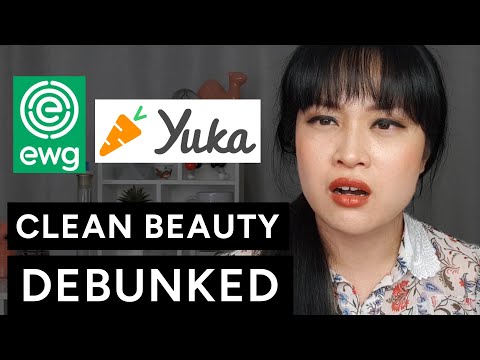
Clean beauty ignores the very basics of ingredient safety. Here’s how it gets everything wrong, and how safety assessments actually work (hot tip: they’re being done correctly already). Featuring an actual real-life toxicologist (not a fake clean beauty one).
Subscribe for videos every fortnight:
In this video:
🧼 What is clean beauty?
🧼 There’s no such thing as clean and dirty ingredients
🧼 Hazard vs risk
🧼 How scientists ACTUALLY work out risk
🧼 Parabens: personally victimised by clean beauty
🧼 Why take any risk at all?
🧼 How did we get here, and how do we get out?
Blog post with more info here:
Thanks to Dr Fred Lebreux for being so generous with his time and expertise – more from him here:
Basic Principles of Toxicology in Cosmetics:
How to Do a Safety Assessment:
@TheEcoWell facilitates conversations with experts in the beauty industry
Powered By Chemicals Mugs:
—-ABOUT—-
Lab Muffin Beauty Science is a channel by me, Michelle – I’m a chemistry PhD and beauty lover, here to explain how beauty products work, debunk myths, and help you make smarter decisions about your skincare, hair and makeup!
—-FOLLOW—-
Blog
Instagram
Facebook
Twitter
————————————-
Want smooth, glowing skin? Grab a copy of my FREE Essential Guide to Exfoliation!
————————————-
—-RELATED POSTS AND VIDEOS—-
Free exfoliation guide
Should you be avoiding parabens?
Biggest Skincare Myths and What to Do Instead:
Are natural beauty products better?
Is Your Sunscreen Killing Coral?
Chemical vs Physical Sunscreen:
Blue Light From Screens and Skin:
Busting Silicone Myths:
Blog post for this video with more info:
—-SKINCARE GUIDE—-
The Lab Muffin Guide to Basic Skincare is here! Find out more:
Do you think clean beauty can be stopped? Or is it too big of a movement?
The emphasis on education about science is frustrating here- the problem is a lack of trust. we need trusted independent regulators in this late stage capitalist climate that prioritizes profit over people at every corner. There is no incentive for corporate owned companies to prioritize consumer well being. Why would we trust them or the people they hire, and now why would we trust the FDA and epa as they are being gutted by the federal government? What are regular people to do except try to take matters into their own hands?
This is such a rabbit hole, at some point I will have to start researching about every single ingredient in some products I use, become a half expert at least enough to secure my safety
There are Ayurvedic practitioners who can teach you skincare, nutrition, and makeup using plants and herbs. I wish this idea were more accessible. I understand the difference between toxic and non-toxic, and I’m not going to knowingly use harmful ingredients on the most fragile part of my skin—the face—just because they fall within “acceptable” limits of risk or hazard. It’s like taking a small dose of poison every day and saying it won’t kill you because the dosage is low, when in reality, long-term exposure is not good for your health. I also think that knowing your own skin and body is essential. For example, turmeric is great for hyperpigmentation, acne, and redness; however, no matter how natural it is, you wouldn’t use it if you’re allergic. I can’t tell you how many over-the-counter and prescription products I used that were deemed safe—like the video describes—only to later learn that I’m allergic to salicylic acid, which is in so many acne products. Benzoyl peroxide alternatives didn’t cause breakouts, but they did cause dryness and irritation.
What I’m saying is that knowing the ingredients is number one. Forget the marketing and the labels—read the actual ingredient list, understand the concentrations, and learn what irritates your skin. Most dermatologists, pharmacists, and makeup companies don’t share this level of information because they want to make money from you.
I would love an update on this topic. Is the Yuka evaluation of ingredients still bad?